This post was automatically translated from the Turkish original.
What is a Personnel Tracking System and Why is it Necessary?
In today's business world, a comprehensive employee tracking system goes far beyond simply knowing where employees are. These systems are integrated tools that enable effective workforce management, performance measurement, and strategic decision-making. In particular, in sectors such as hospitality, real estate, and healthcare, which are characterized by high-paced operations, such as in Alanya and Antalya, proper human resource management is key to success. Many businesses are experiencing wasted time while manually tracking employee data; this reduces operational efficiency and prevents proper resource allocation. Therefore, establishing a modern employee tracking system is a crucial step for transparency and data-driven management of processes.
Essentially, a personnel tracking system consolidates employee attendance records, work hours, job assignments, training records, and performance metrics on a single central platform. This centralized structure allows managers to access all data instantly and monitor business processes in real-time. Specifically, for companies operating in large facilities or multiple locations, this system is the most effective way to ensure coordination. These types of systems evolve beyond simply being a record-keeping tool; they transform into a management and analysis center.
Contributions of a Personnel Tracking System to Business Processes
The benefits of personnel tracking systems for businesses are multifaceted and directly impact commercial results. These systems allow you to clearly see which departments are using the most resources. For example, for a restaurant business, analyzing the correlation between staff hours and order volume can help you determine when additional staff is needed. This type of data analysis helps you avoid unnecessary costs and supports the reduction of operational expenses.
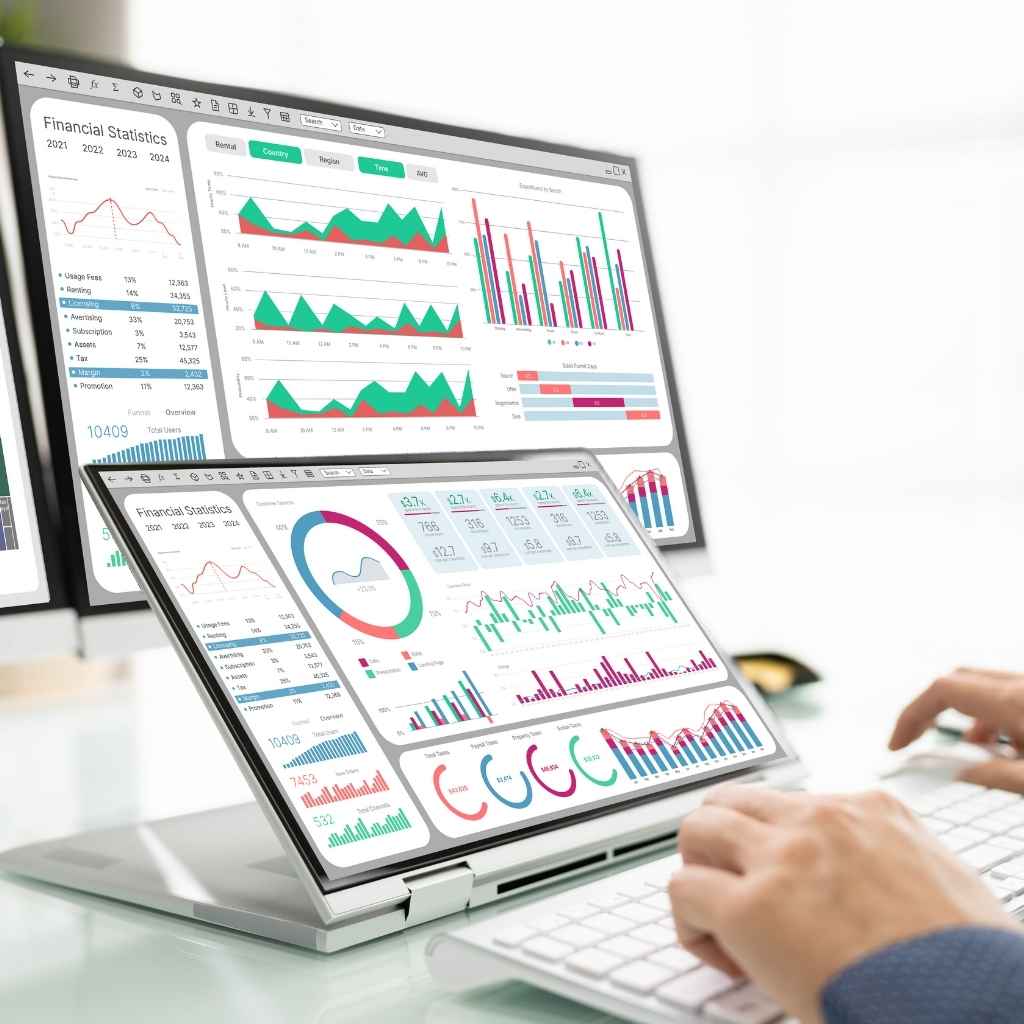
The measurement and reporting capabilities of these systems are their greatest strength. They allow you to see employee performance, workload distribution, and overall workforce efficiency with quantitative (numerical) data. These reports not only answer the question "what happened?", but also provide answers to the question "why did it happen?". This in-depth analysis allows business decisions to move from intuition to a solid foundation based on data. In this process, establishing an accurate employee tracking system is the first step in automating management processes.
Key Functions: Components of a Personnel Tracking System
A staff tracking system is not just a single module; it consists of a structure with various modules. The integrated operation of these modules reveals the true power of the system. Primarily, the basic modules typically include identity management and shift scheduling. This part allows you to instantly see which employee is on duty on which day and for which task, thereby eliminating confusion during shift changes.
Shift and Attendance Tracking
The shift tracking module is essential, especially for retail and service industries. Employee login and logout times are automatically recorded, and this data is instantly reflected in the administrator panel. This allows you to automatically identify overtime situations and ensure compliance with legal regulations. For example, in a hotel, tracking the staff who are assigned to or provide service in a specific room is crucial because it directly impacts the quality of service.
Integration of Performance and Talent Management
Modern staff tracking system, not only measures time, but also performance. This allows you to track how employees are meeting their defined goals, the projects they have completed, and the feedback they have received. This data can be used to centralize talent management processes, allowing you to clearly see the development areas of each employee. This integration shifts human resources management to a proactive approach.
Technical Requirements: Speed, Mobile Compatibility, and Security
The commercial success of a software depends on its technical infrastructure. In today's business environment, systems are not only expected to collect data, but also to operate at high speeds and in any environment. In this context, the speed and mobile compatibility of the system determine how quickly decision-making processes can be carried out. Specifically, mobile application support for field workers provides instant notifications and data entry capabilities, which speeds up workflows.
The Importance of Core Web Vitals and Mobile-Friendliness
If you are using a web-based tracking system, the user experience (UX) of your website is crucial. Core Web Vitals are metrics that show how quickly your website loads, how smoothly users can interact with it, and how visually stable it is. High performance minimizes frustration for both employees and managers when using the system. Furthermore, to ensure flawless operation of the system across all devices, responsive design is essential; this is because staff must be able to access this data while at work or while traveling.
Data Security and Backup Strategies
Employee data requires the highest level of security due to its sensitive personal information. When using an employee tracking system, you must implement layered security measures such as data encryption and role-based access control (RBAC). In addition, establishing regular and automated backup strategies to mitigate the risk of data loss is essential for operational continuity. This infrastructure forms the foundation for ensuring the reliability of your business.
Measurement and Reporting: A Mechanism for Strategic Decision-Making
The most valuable aspect of the system is its ability to transform raw data into meaningful business intelligence. A well-designed reporting structure allows managers to access ready-made and insightful summaries, rather than spending hours sifting through data. This is particularly crucial in high-pressure environments, where time is of the essence. Knowing which reports you need, and when, allows you to fully leverage the system's potential.
Integration with Local SEO and Google My Business Profile
In particular, in regions with high levels of competition, such as Alanya and Antalya, integrating local SEO and Google My Business data with employee data provides a significant advantage. For example, by analyzing the distribution of employees in a specific region, you can develop marketing or service intensity strategies tailored to that region. These types of GEO (geographic optimization) solutions not only help you understand operational data, but also provide insights into market dynamics.
Preparing for the Future with AI-Powered Analysis
Today, artificial intelligence tools like large language models (LLMs) are taking personnel tracking systems to a new level. These systems not only report on the current situation, but also perform predictive analytics such as forecasting future workload, analyzing potential personnel turnover risks, and recommending the most appropriate training needs. This allows you to move from a reactive to a proactive management model. If you would like to learn more about detailed artificial intelligence integrations, you can review our guide on artificial intelligence and business management.
Perspective on E-commerce and Custom Software Development
For businesses operating in the e-commerce sector, the personnel tracking system should be directly integrated with order processing processes. Tracking which employee processes which order and within what timeframe directly impacts customer satisfaction. If your existing systems cannot provide this integration, you may need to implement custom software development solutions to add modules tailored to your workflow. For example, modules such as customized inventory tracking or customer interaction tracking can enhance your business advantages.
When is Custom Software Necessary?
While ready-made solutions address many needs, if your business model is unique, standard software may not be sufficient. For example, if you have very complex shift systems, specific security protocols, or data requirements specific to your industry (such as healthcare or high-tech), acquiring custom software development is the best approach. These solutions are designed specifically to fit your business workflow, resulting in maximum efficiency. If you are wondering which software architecture would be most suitable for your project during this process, you can consult with experts on topics such as "How long does the Alanya software project take? Detailed estimates".
Conclusion: Transitioning to Data-Driven Management
In summary, an effective employee tracking system is no longer a luxury, but a necessity for businesses to compete in today's market. These systems enhance operational efficiency, control costs, and, most importantly, provide a solid data foundation for strategic decision-making. For businesses in the Alanya and Antalya region, implementing this technology correctly involves not just installing software, but also adopting a culture of more informed management of your workforce. To ensure a successful transition, you should carefully select the modules that meet your specific needs and not overlook the technical requirements. If you would like support at any stage of the process, you can view our projects on our Instagram page or contact Alanya Bilişim Hizmetleri.
Ready to begin?
Take the first step to strengthen your business's digital presence in Alanya. Contact us to provide details about your projects and to develop a solution tailored to your needs.
Get a Quote